The History of the Church
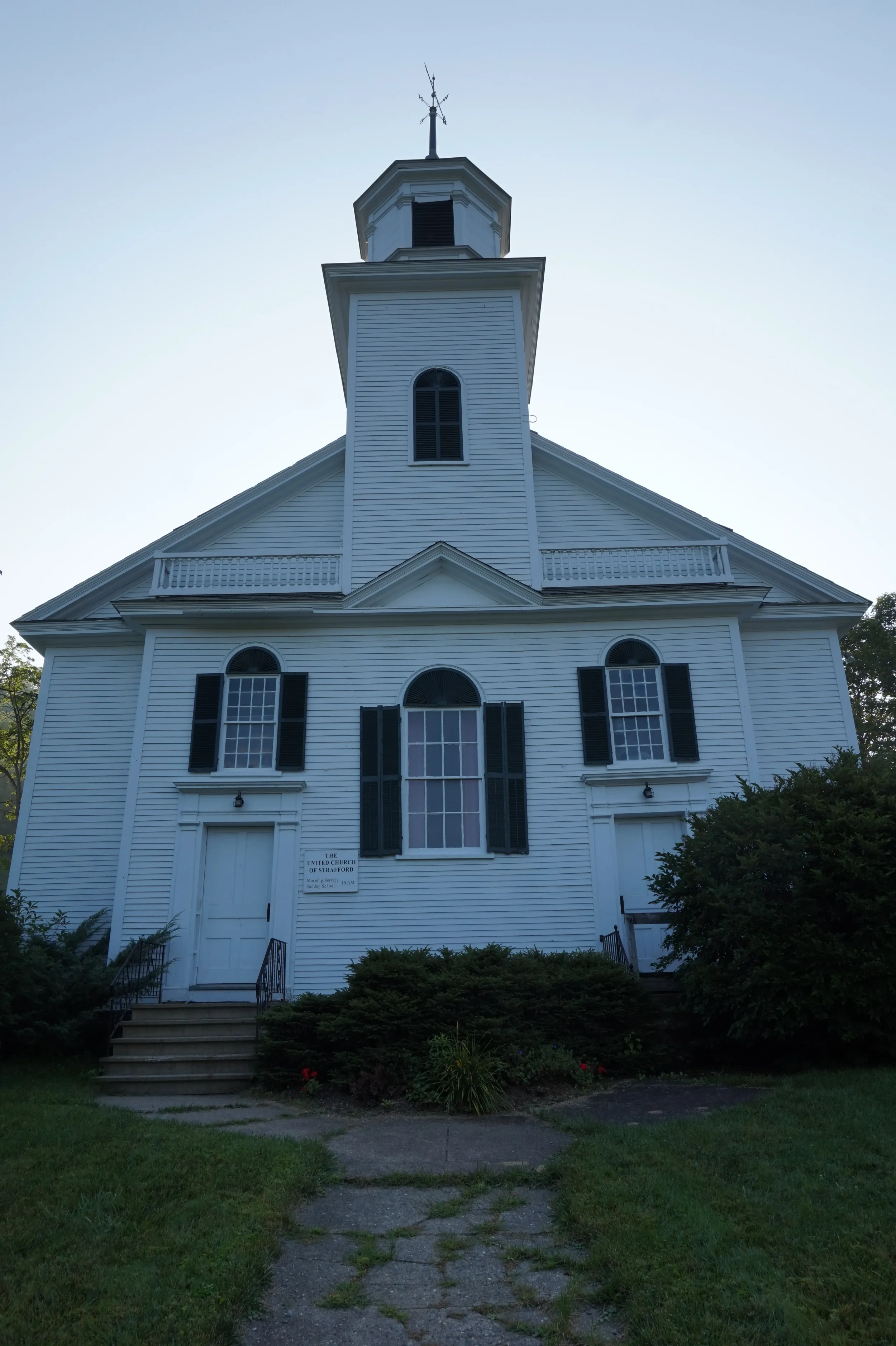
On July 25, 1948, the First Congregational Church and Society of Strafford, Vermont and the Community Baptist Church of South Strafford, Vermont, came together to establish a united church. Both churches had long years of ministry in the community, dating back to the founding of the Free Will Baptist Church in 1793 and the establishment of th Congregational Church in 1820. This union church was formed in the interest of unity and strength, but both churches retained their individual identity and organization. For twenty years the union church expressed the common witness of the constituent churches. Then, on December 2, 1967, the constituent churches dissolved themselves as individual entities in order to allow their membership to form a new church. This church was to hold the property, possess the funds, and retain the denominational affiliations of the preceding First Congregational Church and Society and the Community Baptist Church.
The newly formed church was both old and new: “old” in that for all intents and purposes it was composed of the same body of people who had formed the union of 1948, but it was “new” in that this body was now so structured that the Church was united in fact as well as form.
The South Strafford church building was transformed into the local school’s gym, and the upper village church became the sanctuary of the United Church of Strafford. In the mid 1970’s, a parish hall was built onto the church. We remain affiliated with both the American Baptist Churches (ABC) and Vermont Conference UCC (VTCUCC).
The Mystery Under the Pews: A Century of History at the United Church of Strafford
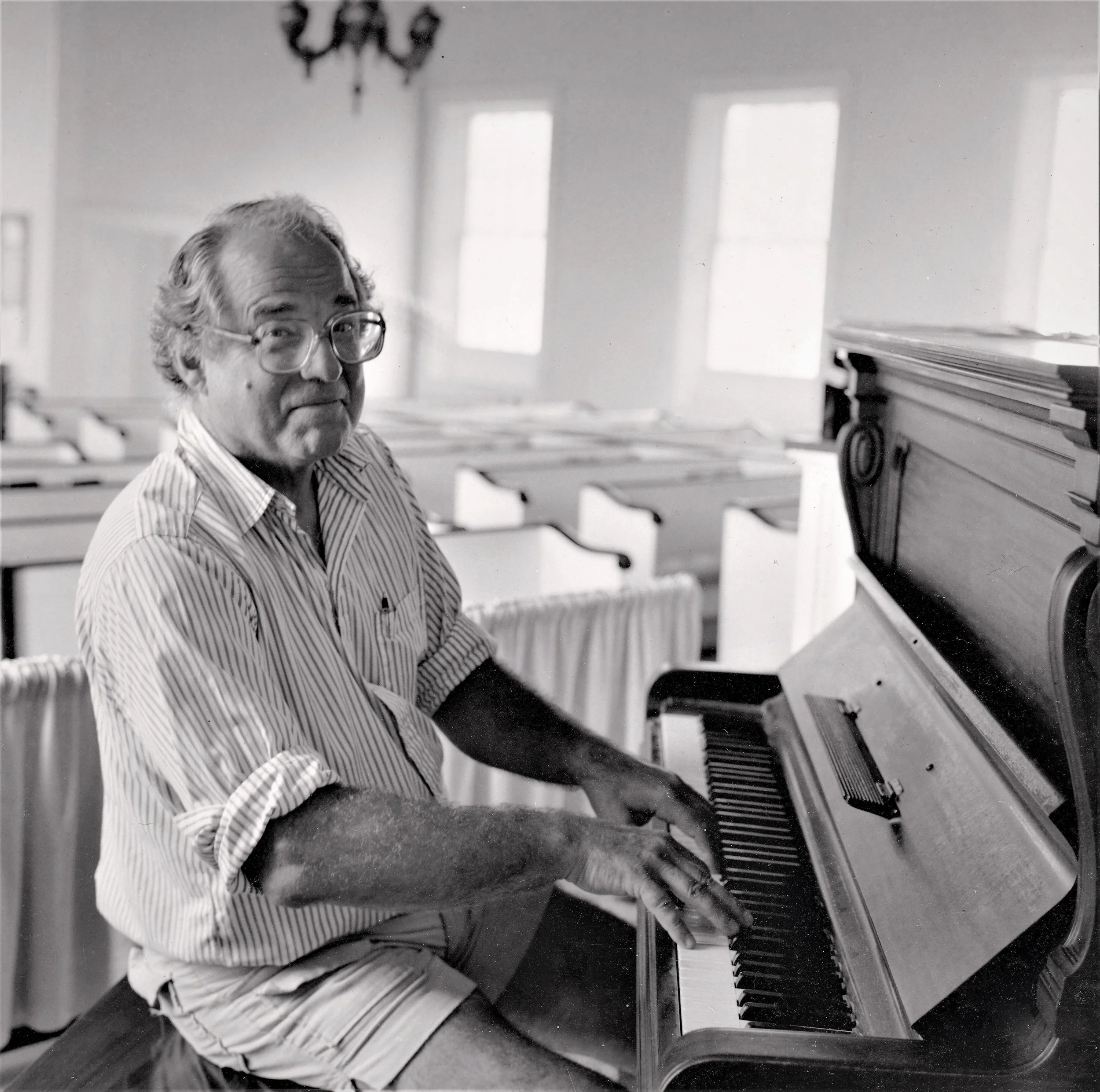
Rev. William Sloane Coffin Jr.
The Reverend William Sloane Coffin Jr. (June 1, 1924 – April 12, 2006) was a prominent American Christian clergyman, intellectual, and pioneering peace activist who became one of the most influential religious voices for social justice in the 20th century. Best known for his leadership as the chaplain of Yale University, Coffin consistently used his platform to challenge systemic racism, oppose U.S. military interventions, and champion universal human rights.
In 1977, Coffin moved to New York City to serve as the senior minister of the historic Riverside Church, where he utilized the pulpit to campaign heavily against poverty and nuclear weapons. After leaving Riverside in 1987, he became the president of SANE/Freeze (now Peace Action), the largest nuclear disarmament and social justice organization in the United States.
In his final years, Coffin retired to pastor the United Church of Strafford in Strafford, Vermont, where he continued to write and speak out against the Iraq War while becoming an early, ardent supporter of LGBTQ+ rights within the Christian church. He passed away from congestive heart failure in 2006 at the age of 81
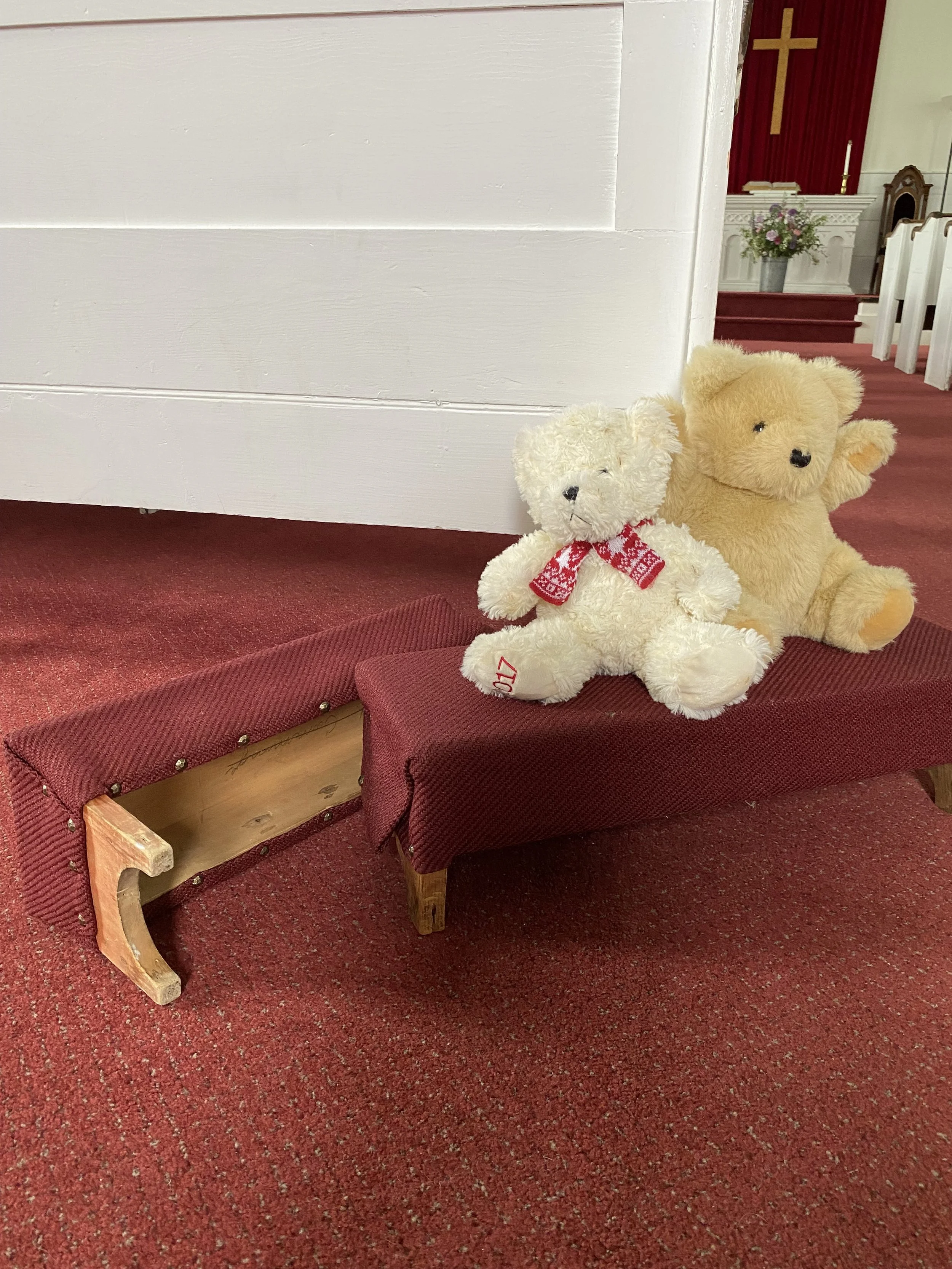
For decades, seven worn, mismatched upholstered stools sat tucked away beneath the pews of the United Church of Strafford. Coated in layers of dust and showing signs of heavy wear, their purpose and origins had been forgotten by time. In 2011, Dot Burden took them home, determined to uncover the story hidden beneath the grime.
Solving the Mystery
Local memory provided the first clue. Marguerite Condict, who grew up in the 1930s, remembered using them as a child. Before modern heating, the sanctuary relied on two wood stoves; the stools were essential tools to keep parishioners' feet off the freezing floors. The deep water stains on the wood beneath the fabric told a silent story of decades of snowy Vermont boots melting during winter services.
A Connection to the Past
The restoration process revealed a "who’s who" of historical Strafford. Hand-written names found on the wood frames—including C.F. Avery, Nathan Cobb, and Rev. Henry B. Cummings—linked the stools to a specific era. Research confirmed that all eight names identified were active in the community between 1875 and 1905, making the stools well over 100 years old. Crafted from "Old Growth Pine" and featuring multiple layers of historical fabric, each stool was a unique, handmade contribution to the church’s comfort.
Preserving the Legacy
Today, these artifacts are no longer forgotten. One stool, along with samples of the original fabric and antique tacks, has been donated to the Strafford Historical Society to preserve this glimpse into early town life. The remaining stools have been lovingly restored and returned to their original home under the pews, where they once again serve the congregation—this time during the Children’s Message.